iamhisgloriouspurpose:

sarcasmismydefaultmode:

betweenelsewherenevermore:

amuseoffyre:

wibbly-wobbly-midgardian-shit:

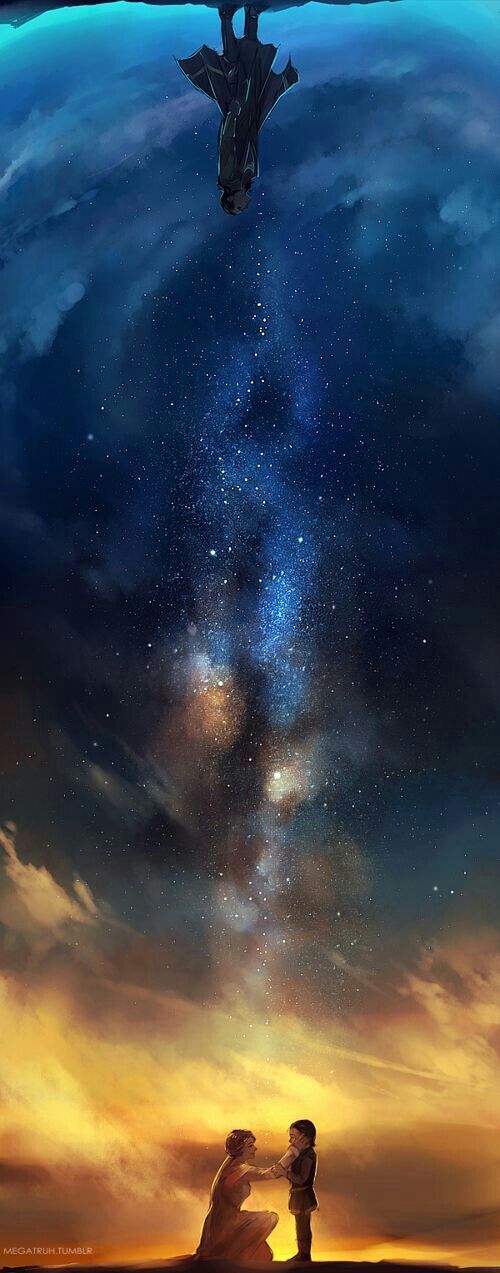
This makes me so sad

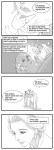
My headcanon for the MCU-verse is the Frigga always wanted more children, but they only ever had Thor. Frigga smiled and pretended all was well, but there was always a secret longing for a child who was more like her. As much as she loved Thor, he was very much his father’s son and the golden child. He had no patience for magic and tricks.

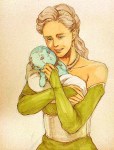
And then her husband comes back from war with this infant, a child who could be a hostage against the Jotun, who could one day be useful, an ally on the throne of Jotunheim. But Frigga doesn’t see that. She sees a frightened baby, and takes him from Odin, and cradles him as if he’s her own, and the baby’s cries soften.

“He is a Jotun. You cannot forget that,” Odin said, over and over, but Frigga only smiled and said, “No. He is my son.”

Sure, I didn’t need those feels

You hear that? That’s the sound of my heart breaking into a million irreparable pieces…

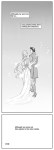
“Welcome to Asgard, little one. I am Frigga, your mother.” She leaned over, and bestowed a soft kiss on that sweet forehead. The baby cooed with delight, still gazing at Frigga.“

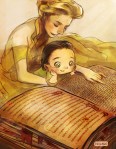
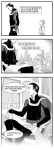
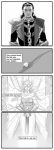
One of my favorite parts of writing my story “Origins” was the scene where Odin brings baby Loki back to Asgard.

pennie-dreadful:

pennie-dreadful:

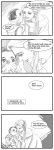
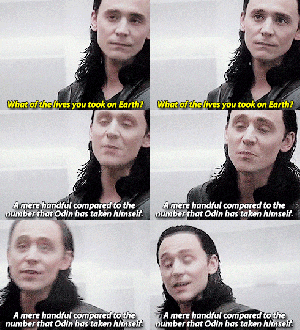
Like goddamn I really made myself upset thinking about how the entire trajectory of Loki’s arc could have been altered if Odin and Frigga had been slightly more comfortable expressing verbal and physical affection? As in, expressing it at all?

NOT GOOD ENOUGH PLS TRY AGAIN

God look at his face, this is the face of someone who is confident that he is loved by his family. A+ parenting, no hugs required.

*kicks down door of my own post*

AND ANOTHER THING.

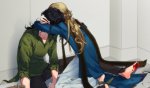
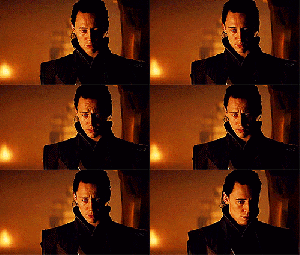
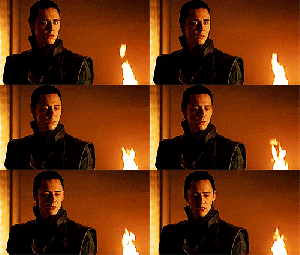
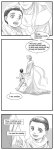
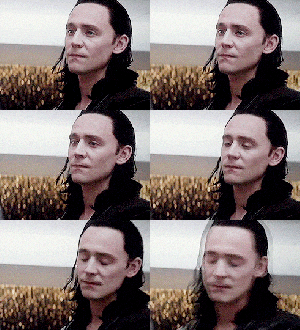
God just. Look at how blank his face is. How he’s hiding all the fear and turmoil and anger he unleashed on Odin. He doesn’t trust her anymore, after such a huge betrayal. How can he? But he’s also probably afraid of pushing her away by being angry at her, so he just shoves it all down. What the fuck kind of damage does it do to be betrayed by someone so close to you, but they’re still basically the entirety of your emotional support system? Ugh still crying about Thor 2k18.

gaslightgallows:

howlingdawn:

lokihiddleston:

Frigga:
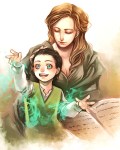
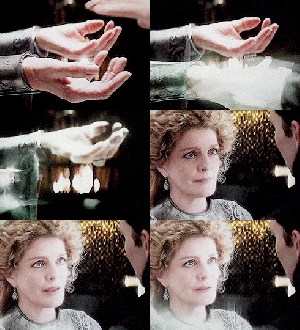
“You and your father cast large shadows. I’d hoped by sharing my gifts with Loki that he could find some sun for himself.“


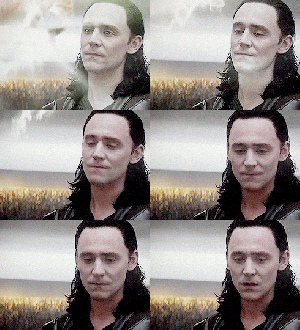
I just noticed that Loki is the only one who actually looks around when Odin asks if they can hear Frigga and I can’t put into coherent words at the moment why that hurts me but it hurts me

Because Loki listened. Just for a second… he hoped.

delyth88:

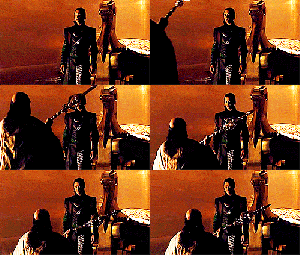
I love this scene too. It’s such a shame it was cut from the final film. I wish Marvel did extended edition dvds. When I saw it, it put Loki’s comment about having been king in a different light. And it also gives the following scene with the Warriors Three a different tone, more nuanced, less outright lying villan.

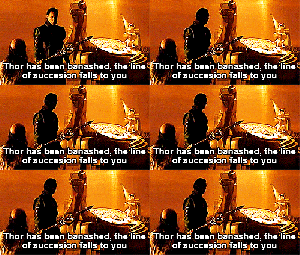
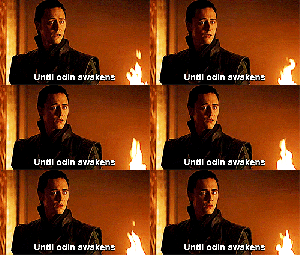
This is relevant to a recent discussion about that scene in the throne room with Sif and the Warriors Three. I think we’re supposed to think that they mistrust and dislike him more than his previous actions actually warrant; they turn out to be correct that he is up to no good, but they have no way of knowing that or the actual reason for it (i.e., the shattering revelation of his identity). We’re also supposed to think they have some reason for mistrusting him (“Loki’s always been one for mischief”), but not as much as they do: they seem to think that he’s usurped the throne (and maybe deliberately harmed Odin?!), but we know that the inheritance was completely legitimate and Frigga-approved.

From the deleted Thor & Loki scene where Thor says “Some do battle, others just do tricks,” the servant laughs, and Loki scares him by turning wine into snakes, I got the impression that Asgardians are simultaneously disdainful and suspicious of sorcery, especially when used by men and/or on the battlefield. That’s perfectly in keeping with the actual attitude toward the practice of seidr in ancient Norse culture: men who practice it were tarred with ergi, “unmanliness” (the major implication being that they bottom during sex with men). You see a similar attitude toward a man’s use of anything considered a “woman’s weapon,” such as poison: it’s considered cowardly, underhanded, dishonorable; but it’s also especially frightening because it’s hard to see coming and defend against. Asgardians expect Loki to be sneaky, not least because he’s a sorcerer. This may be a stretch, but it seemed to me that Hogun’s accusation drew attention to this connection: “A master of magic could bring three Jotuns into Asgard.” On the surface, he’s just saying that Loki had the capability to do it; but more implicitly he’s also suggesting that Loki is the type of person who would do it.

I suspect there’s something distinctively Shakespearean going on here: the villain who becomes a villain in part because everyone expects him to be one. One notable example is Richard III, who implies that he chose to become a monster in part because his deformity makes people see him as a monster already: “Deformed, unfinish’d, sent before my time / Into this breathing world, scarce half made up, / And that so lamely and unfashionable / That dogs bark at me as I halt by them… And therefore, since I cannot prove a lover, / To entertain these fair well-spoken days, / I am determined to prove a villain…” Another example is Shylock, who pursues the forfeit of a pound of flesh because Antonio has consistently spat on him and insulted him and his people. He puts the point elegantly: “Thou call’dst me dog before thou hadst a cause; / But, since I am a dog, beware my fangs!” I think both of these examples are instructive in Loki’s case. Loki accuses Odin of wanting to “protect him from the truth” of his origin “because I am the monster parents tell their children about at night”; and I have a variety of reasons for connecting Loki with Shylock.

mikkeneko:

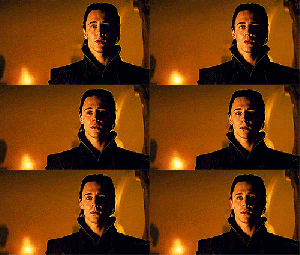
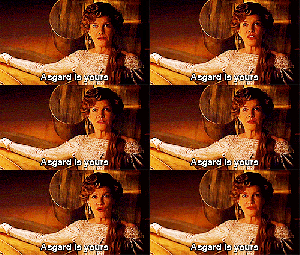
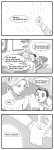
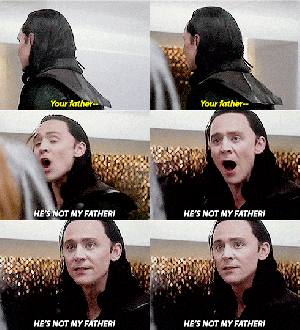
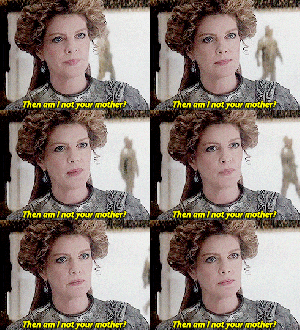
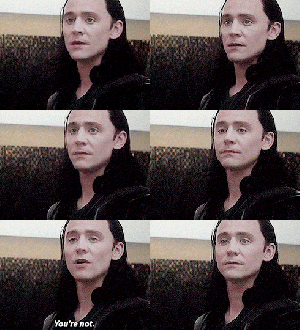
Something about this scene really struck me. In this scene, why does Loki deny Frigga? The correct answer is obviously ‘yes.’ It’s obvious he wants to say ‘yes.’ There’s no spiteful pleasure or sarcastic glee in his face when he says it, so he’s not enjoying it. So why does he say no?


Because the way this conversation has been set up, admitting that Frigga is his mother consequently means he admits he was lying (or at least, recants) his denial that Odin is his father. He can’t have one without the other. By yoking the two together in this way, Frigga is basically holding her motherhood of Loki hostage on the condition of Loki admitting that Odin has parental authority over him and that is something Loki will not – can not – do.

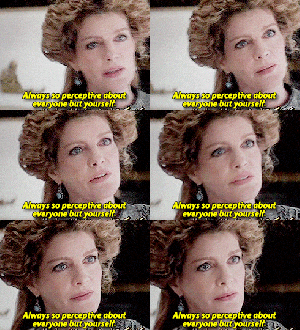
I’m certain that the equivocation (if not the cruelty inherent in it) was deliberate on Frigga’s part.  Frigga has always played the role of peacemaker in this family – she did in the first movie and she’s doing it again here. She asked the question in that way precisely because she wants to force Loki to admit that Odin is his father. She’s angling to get Odin and Loki to reconcile – whether as part of a campaign to get Loki’s sentence reduced, part of a campaign to get Loki’s services available once more to the crown, or simply aiming to reduce the conflict in their household (or possibly all three.)

But to Loki, Odin is not only the man who put him here, but the liar and the hypocrite who fucked up his life in ways beyond counting. Frigga wants him to submit to Odin’s authority not only as a king, but as a parent, meaning that Odin not only has the right to sentence him legally but also to chastise him emotionally and Loki simply can not stand that, not now. So he denies Frigga – even though it is obviously hard and painful for him to do so – because it would hurt him more to have Odin as father than it would help him to have Frigga as mother.

Loki said what he did not to be cruel and spiteful to Frigga, but because he was backed into a corner. Which is kind of the story of his life lately, really.