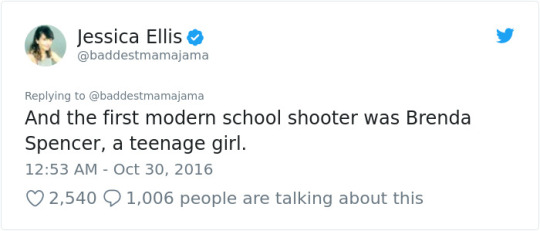
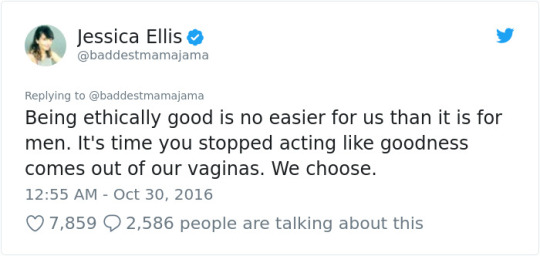
Women as the bastions of morality and virtue is straight out of the 19th century. It’s not feminism. It is a restrictive box that limits women, erases their complexity, frames their good choices as inherent and not chosen, glosses over their bad choices, and punishes women who transgress much more harshly than men who do. It is a system that venerates the redemption of men while women who fall die.
“punishes women who transgress much more harshly than men who do. It is a system that venerates the redemption of men while women who fall die.”
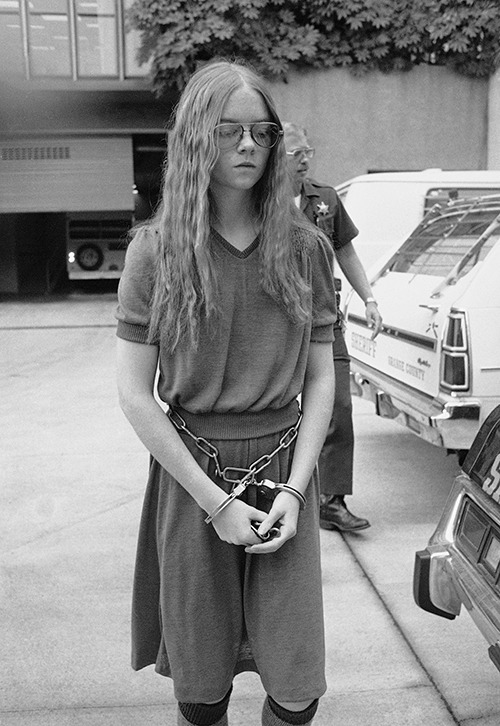
I just want to highlight this point. If you believe that goodness is somehow inherent to women while men have to work at it, then a man who does a bad thing is just a normally imperfect man who can work harder and do better; but woman who does a bad thing is regarded as a defective anomaly, therefore to be eliminated rather than rehabilitated and given another chance.
This point actually extends to beliefs about human nature in general. I took a history seminar my first year of college on the French Revolution, and the professor argued that the adoption of Rousseau’s view of human nature was non-accidentally connected with the Terror. If you believe that human beings are essentially good but can be corrupted by corrupt societies, then people who do bad things are either (again) defective anomalies to be eliminated, irretrievably corrupted and therefore to be eliminated, or (possibly) in need of radical re-education (and we know how that tends to go). Moral essentialism tends to lead to moral rigorism: the view that you’re either entirely good or entirely bad; that a single error is an unremovable stain, or evidence of an irredeemably evil character. It’s much easier to deal with inevitable human error if you start with the theory that human beings are naturally imperfect, a complex mix of good and bad impulses, either of which can be encouraged by different circumstances.
I jumped ship from Tumblr and this is where I landed. I'm a philosophy postdoc (INTJ, she/her) with a serious thing for Tom Hiddleston as Loki. Sometimes I even write fanfiction about it. Mostly Loki and Thor/Loki (sometimes NSFW), some miscellaneous Hiddles, MCU (Steve/Tony or "Superhusbands" is my secondary ship), occasional Cherik, Game of Thrones, LOTR, Whedonverse... whatever catches my fancy, really.
View all posts by philosopherking1887

 Loki is the Philosopher King